




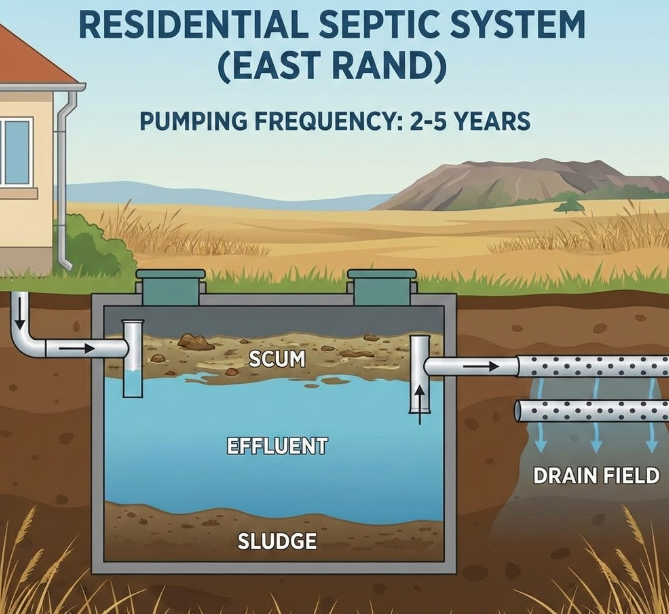

Septic tanks in the East Rand require pumping every 2-5 years for residential properties and 1-3 years for commercial establishments. The frequency depends on tank size, household occupancy, water usage patterns, and waste volume. A standard 3,000-litre residential septic tank serving four people needs pumping approximately every 3 years, while high-usage properties require more frequent service.
Key Takeaways
- Standard residential frequency: Every 2-5 years based on household size and tank capacity
- Commercial properties: Annual to bi-annual pumping prevents system failure
- Warning signs: Slow drains, sewage odours, and soggy drain fields indicate immediate pumping needs
- Cost efficiency: Regular maintenance prevents expensive repairs ranging from R15,000-R50,000
- Professional assessment: Septic tank pumping services should inspect your system during each service
Factors That Determine Pumping Frequency
Tank size relative to household occupancy creates the primary variable. A 2,000-litre septic tank serving six people reaches capacity faster than a 5,000-litre system serving two occupants. Water consumption patterns matter significantly—families using washing machines daily, running dishwashers, and taking multiple showers generate higher waste volumes.
Waste composition affects sludge accumulation rates. Households that dispose of cooking oils, non-biodegradable materials, or harsh chemicals down drains accelerate solid buildup. The bacterial digestion process slows when foreign substances enter the septic system, reducing the time between required pumping services.
Commercial septic tanks serving restaurants, office complexes, or industrial sites demand more frequent attention. Grease traps in food establishments fill rapidly, while high-traffic facilities produce constant waste flow. Septic tank cleaning prices for East Rand vary based on tank size and access difficulty.
Measuring Your Septic Tank Levels
The scum layer floats at the top whilst sludge settles at the bottom of your sewage tank. Between these layers sits the clear effluent zone. Professional technicians measure sludge depth using specialised probes, determining when pumping becomes necessary.
The one-third rule applies to most residential septic systems. Pumping should occur when combined sludge and scum layers occupy one-third of the tank’s total capacity. Waiting beyond this threshold risks solid waste entering the drain field, causing irreversible soil contamination and system failure.
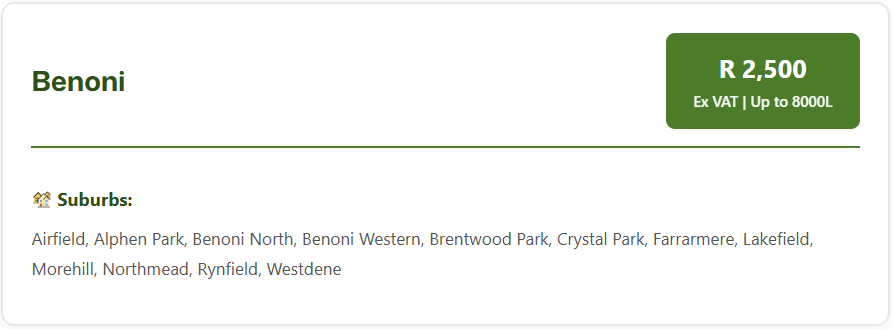
Benoni, Boksburg, Brakpan, and Springs properties built before 1990 often have undersized septic tanks by modern standards. These older systems require more frequent pumping than newer installations designed for current household water consumption levels.
Warning Signs Your Tank Needs Immediate Pumping
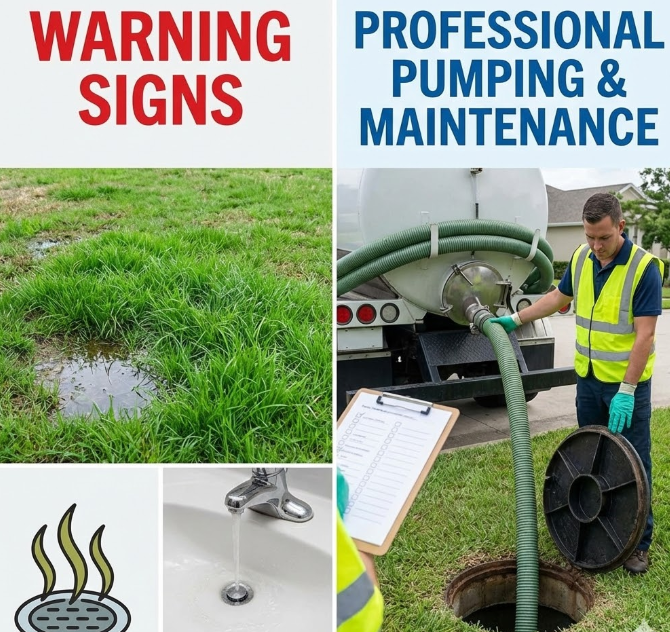
Sewage backing up into toilets, showers, or sinks signals critical tank fullness. Gurgling sounds from drains indicate air displacement as waste struggles to flow through blocked pipes. Foul odours emanating from drains or the septic tank area confirm bacterial breakdown has ceased due to excessive solid accumulation.
Lush grass growth above the drain field seems positive but reveals sewage seepage into the soil. Standing water or soggy ground near the septic system demonstrates overflow conditions. Septic tank pumping in East Rand becomes urgent when these symptoms appear, preventing health hazards and environmental contamination.
Slow-draining fixtures throughout the property, not isolated to single drains, point to septic system issues rather than localised pipe blockages. Chemical drain cleaners worsen septic tank problems by killing beneficial bacteria that digest organic waste.
Residential vs Commercial Pumping Schedules
A four-person household with a 3,000-litre tank operates comfortably on a three-year pumping cycle. Larger families or properties hosting regular guests require assessment every 18-24 months. Single occupants or couples may extend intervals to 4-5 years whilst maintaining proper system function.
Restaurants and food service establishments need quarterly to annual septic tank emptying based on customer volume. Medical facilities, schools, and office buildings follow annual maintenance schedules to ensure compliance with health regulations. Industrial sites with specialised waste require customised pumping frequencies determined by professional assessment.
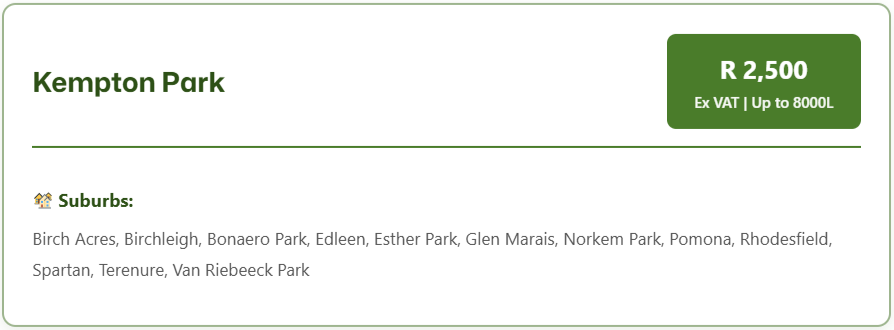
Kempton Park septic tank services address both residential and commercial needs across the East Rand. Professional service providers maintain detailed records of previous pumping dates, sludge levels, and system conditions to optimise future maintenance schedules.
Cost Implications of Pumping Frequency
Delaying septic tank pumping beyond recommended intervals creates expensive consequences. Drain field replacement costs R25,000-R50,000 compared to R2,000-R4,000 for routine pumping. Solid waste infiltrating the drain field destroys the soil’s absorption capacity permanently.
Regular maintenance intervals protect your property investment and prevent emergency callouts that cost double standard service rates. Septic tank cleaners identify potential issues during routine pumping—cracked baffles, deteriorating inlet pipes, or compromised tank integrity—before they escalate into major repairs.
Properties in Germiston, Edenvale, and Alberton with older septic systems benefit from annual inspections even if pumping isn’t required. Early detection of structural problems allows for planned repairs rather than emergency replacements during system failure.
Professional Assessment and Service Records
Septic tank pumping professionals document service dates, sludge depth measurements, and system observations in maintenance logs. These records establish baseline pumping intervals specific to your property’s usage patterns. Consistent documentation allows technicians to predict future service needs accurately.
Tank capacity, household size changes, and water consumption modifications warrant schedule adjustments. Adding family members, installing water-intensive appliances, or converting residential properties to commercial use necessitates more frequent pumping. Professional septic tank pumpers recalculate intervals based on current conditions rather than outdated assumptions.
East Rand properties using municipal water receive metered consumption data that correlates with septic tank filling rates. Boreholes and rainwater harvesting systems require estimated usage calculations to determine appropriate pumping frequency.
Frequently Asked Questions
How do I know if my septic tank is full?
Slow drains throughout the property, sewage odours near the tank, and soggy areas above the drain field indicate fullness. Professional inspection provides accurate sludge level measurements.
Can I pump my septic tank too often?
Excessive pumping removes beneficial bacteria necessary for waste digestion, but pumping every 1-2 years for standard residential use causes no harm. Commercial properties benefit from more frequent service.
What happens if I never pump my septic tank?
Solid waste accumulates until it enters the drain field, destroying the soil’s filtration capacity. Complete system replacement becomes necessary, costing R30,000-R60,000 compared to regular R3,000 pumping services.

Leave a Reply